5 Questions About Wine Production and Aging From a Novice in the Industry
As a young wine lover, I’ve always been fascinated by the production of wine. But the process seemed like foreign territory that was hard to understand. When it first piqued my interest, I didn’t have a contact who could give me the answers I was looking for, which led me to gloss over the subject altogether.
Since beginning my internship in early February, I’ve been immersed in the world of wine, learning from my internship supervisor and AJA Vineyards proprietor, Amanda Greenbaum. We thought that if I, as someone newer to the wine world, was asking these questions, maybe our readers are too. So I sent Amanda 5 questions I had about the process of producing wine, and I wanted to share her answers.
What Happens During the Wine Aging Process?
After a wine goes through fermentation, it enters an aging process. This is when the wine (no longer grape juice) is put into a vessel to rest for several months. During this resting period the wine changes as it reacts to itself and the vessel. As wine ages, micro-oxygenation occurs, which allows the wine to breathe, or open up, over time. This process changes the wine’s flavors, texture, and overall complexity.
How Does Fermentation and Aging Influence the Final Taste?
Fermentation influences the taste of the wine because it converts the sugar in the fruit into alcohol, making it less sweet than grape juice. The yeast particles that spark fermentation carry their own natural flavors too, some savory, some sweeter, some with a bready quality. The aging process, depending on what vessel is used (oak barrels, oak staves, a concrete egg, a stainless steel tank, and so on), can add further flavors to the wine.
What’s the Difference Between Stainless Steel Tank and Oak Barrel Fermentation?
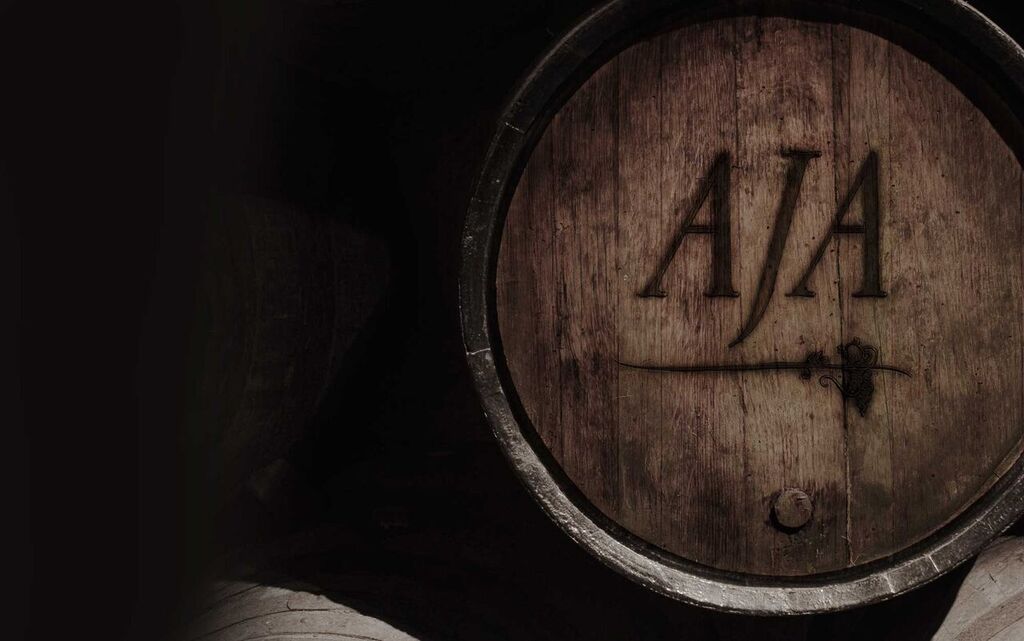
There are a few differences. On the production side, a steel tank is sealed, allowing very little oxygen to influence the wine. An oak barrel allows more oxygenation and imparts flavor and tannic structure, creating two very different flavor profiles. Stainless steel is often described as giving the “purest” expression of the wine and the fruit, since no flavor is imparted, which creates a more linear, straightforward wine. Wine fermented in oak takes its flavor from the yeast, the fruit, and the barrel, and how they interact with each other. Oak barrels are also generally smaller than stainless steel tanks, which concentrates the flavor further. There are many kinds of oak barrels, but American and French are most common, and each winery uses different barrels in its process. At AJA, we use French oak, which imparts earthy flavors along with baking spice notes of cinnamon, nutmeg, ginger, and vanilla. Oak barrels also add more texture: the oak adds tannin, and because more of the lees (yeast particles from fermentation) stay in contact with the wine in a smaller barrel, the result is a silkier, more weighted texture.
Does Wine Continue to Age After Bottling?
I love telling people that wine is living and breathing, and it continues to age, even after it eventually turns to vinegar, which all wine does. After years in the bottle, stored properly, a wine’s flavors will change, quite often for the better. But make sure that when you choose to age your wines, you choose the right ones for it. Some wines are meant to be aged. Some are meant to be consumed right away.
What Other Production Methods Can Be Used to Age Wine?
Decanting! People often think an older bottle needs to be decanted to open the wine up, when in reality, younger wines benefit more from decanting to express age. As a wine gets older, oxygen seeps through the cork and ages it, much like it does in barrels. A young wine that hasn’t been exposed to much oxygen can get a “faster aging” boost from time in a decanter. Try this technique with some of our younger wines!
I’m very fortunate to get to learn about the wine industry from an expert and have some of my most common questions answered. We hope this taught you something new, or answered one of your own burning questions about wine production. AJA is excited to share our knowledge and love of wine with you all, and we can’t wait to share more soon.
Cheers,
Braden